
By Ed Yong | Published 2022 by Random House
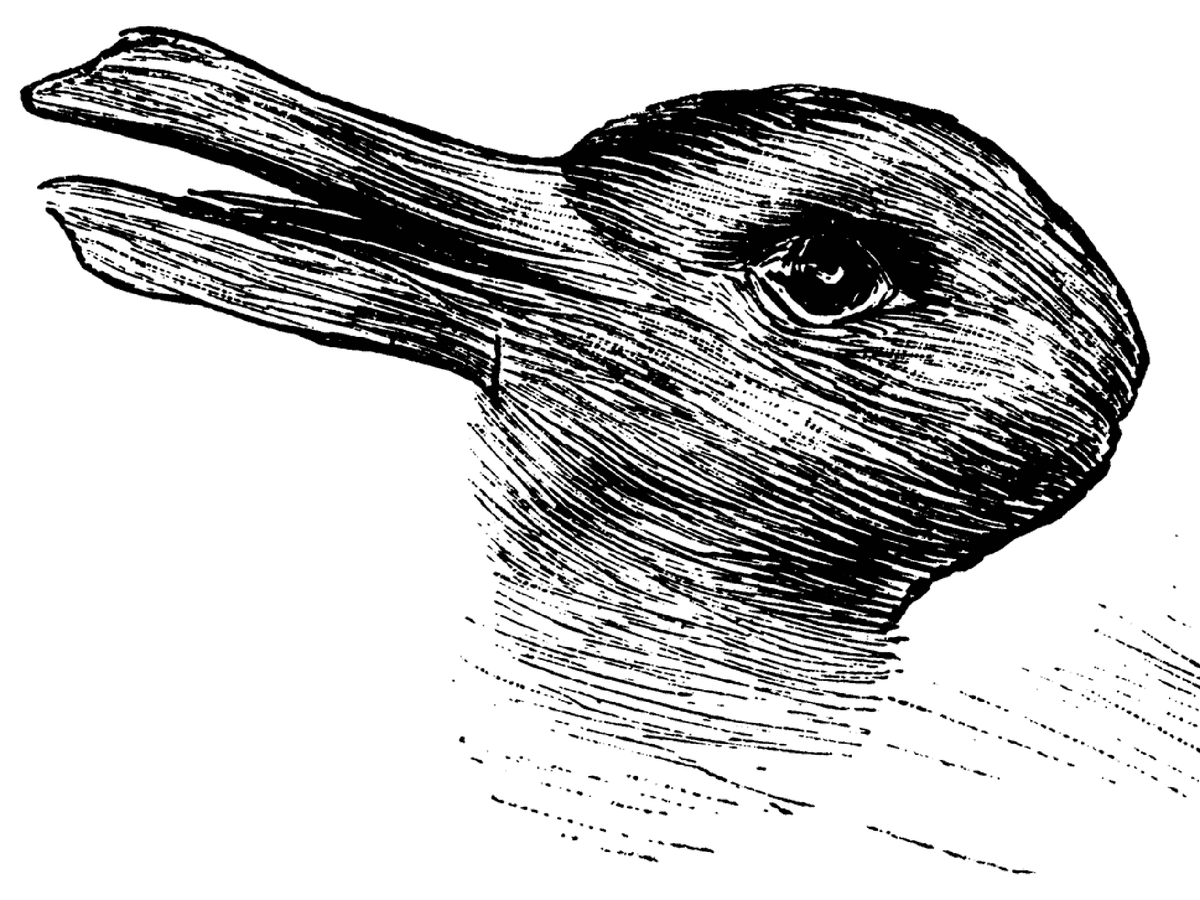
Like fingerprints, no two human nervous systems are the same. It’s a crucial part of my work to acknowledge that, not because it make them special, but because only the clients nervous system can really reprocess what needs to. I could have a similar background as my client but the interaction between genes and environment is so unique, I rarely know where processing is going to end up. Ed Yong extends this observation and dives into the science behind different animals perceptive range. In this fascinating book Yong explores one idea from every possible angle: no two creatures experience the same reality, because no two creatures are built to sense the same slice of it.
Quick Take
Yong’s core argument is built around a concept called the umwelt, a term coined by biologist Jakob von Uexkull for the specific slice of the world each species is able to perceive. A tick, a bat, an elephant, and a human are all standing in the same physical space, but they are not experiencing the same world, because each of them only has access to what its particular senses can pick up. Yong walks through smell, vision, hearing, touch, and senses humans don’t have at all, echolocation, electroreception, magnetoreception, to show just how partial and specific every creature’s version of reality is, including ours.
Read this if: you’re drawn to books that reframe how you see the world, or you just want your mind blown!
Summary
The book moves sense by sense, and creature by creature, but the through line never changes: every animal’s nervous system builds it a private, partial world, and there is no view from nowhere, no neutral, complete version of reality that any of us are actually perceiving. A tick can’t see color but can sense the warmth and smell of a passing mammal from remarkable distances. A bat navigates a pitch black cave using sound in a way that’s closer to seeing than hearing. Yong’s point isn’t that some senses are better than others, it’s that comparing them at all misses what makes each umwelt remarkable: it’s exactly calibrated to what that creature needs to survive. He closes the book on a sobering note about sensory pollution, how humans have reshaped the planet’s light and sound to fit our own umwelt without any regard for the umwelten of everything else living in it.
Where This Connects to the Work I Do
- Although the term umwelt is used to differentiate between species, I find it a useful metaphor for understanding the perceptual differences within individuals in our species as well.
- Every person who sits across from me is operating inside their own metaphorical umwelt, a nervous system shaped by their history that is picking up on threats, safety cues, and meaning that I can’t perceive from where I’m sitting. Their reaction isn’t wrong, it’s accurate to a world I don’t have direct access to.
- A lot of conflict, in relationships and inside a single person, comes from mistaking your own umwelt for the umwelt of others, as if the way you perceive a situation is simply what happened, rather than one particular nervous system’s version of it.
- Brainspotting works because the process as a whole is lead and happening in the clients own umwelt, rarely intruded on by the practitioner.
Key Takeaways
- No creature, human included, perceives reality directly. Every nervous system builds a partial, specific version of the world based on what it evolved to detect.
- Two beings standing in the same physical space can be living in entirely different sensory realities, and neither version is more “true” than the other, just differently built.
- Understanding another creature’s umwelt requires real effort and humility, our own senses make it easy to assume our version of reality is simply reality.
- What looks like a limitation from the outside (a tick that can’t see, a person who reacts to something you didn’t notice) is often a precisely calibrated response to a world you don’t have access to.
Questions I might ask if this was an actual book club
- Where have I assumed someone was overreacting, when really they were noticing something real that I simply couldn’t perceive?
- What does my own umwelt filter out that I’ve never had to think about, because it’s never been relevant to my survival?
- If I took seriously that someone else’s nervous system is built entirely differently than mine, what would I stop expecting from them?
If This Resonated
If you’re interested in a solution that is more tailored to your specific nervous system ,that is exactly what I do.
For more info about the book: https://www.penguinrandomhouse.com/books/608699/an-immense-world-by-ed-yong/
Leave a Reply